高温安定性:性能は1600℃で基本的に変わらず、反応結合炭化ケイ素よりも優れている。
耐熱衝撃性:急速な温度変化に耐えることができ、熱衝撃によって容易に割れません。
機械的特性:モース硬度9、優れた耐摩耗性。
化学的不活性:ほとんどの化学媒体に不活性で、過酷な環境に適しています。
費用対効果:圧力焼結プロセスと比較して、設備投資と運用コストが低くなります。
Ⅰ。炭化ケイ素構造部品の紹介:
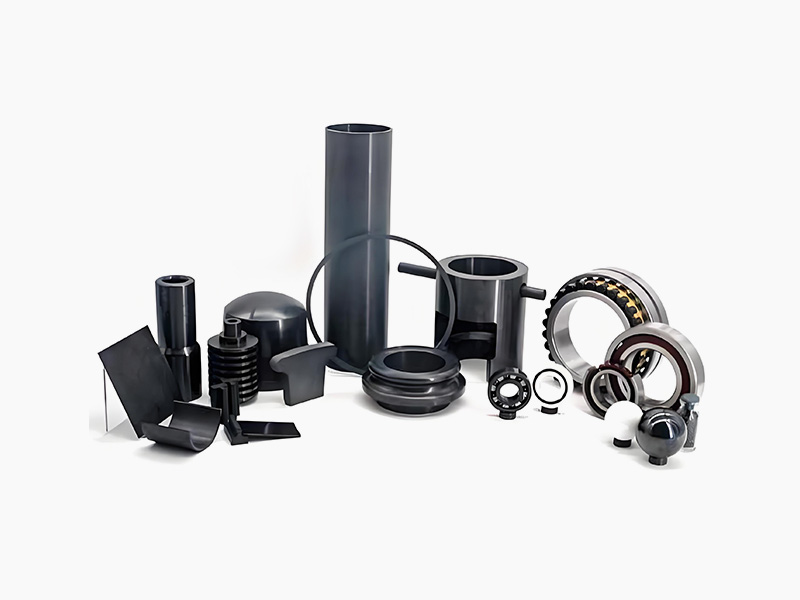
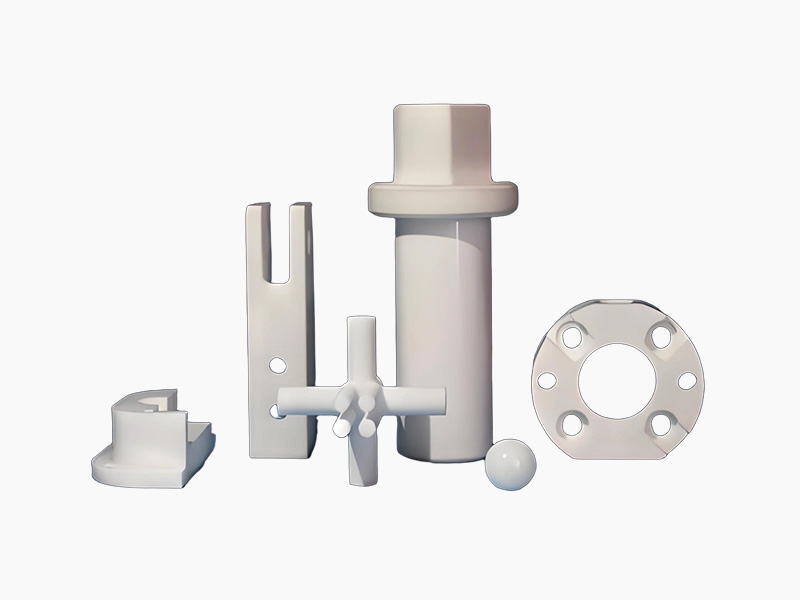
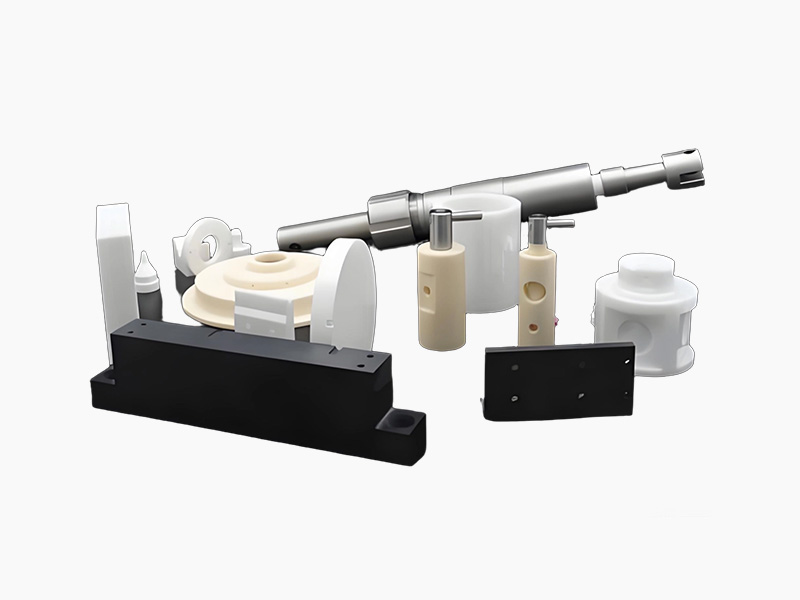
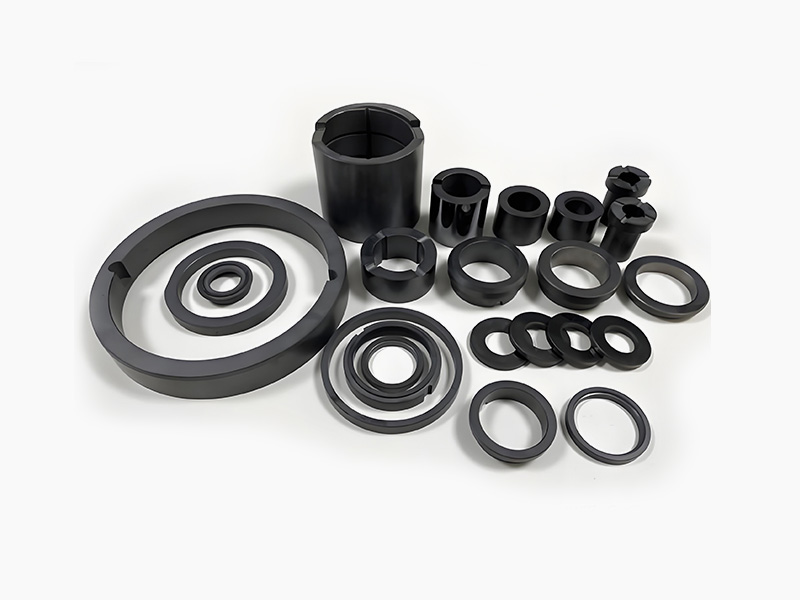
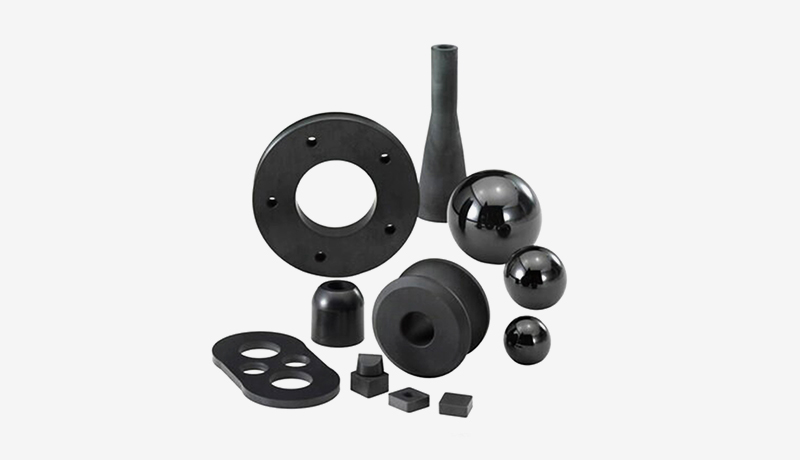
無圧焼結炭化ケイ素構造部材は、炭化ケイ素粉末を高温焼結により高密度化したセラミック材料です。 焼結時に外圧を必要とせず、高強度、高熱伝導性のセラミックス構造部品を形成できることが大きな特徴です。この材料は、以下のようなコア特性を有しています。
1. 高密度:高密度の結晶構造と滑らかな表面で、密度は理論値の98%を超えます。
2. 高強度:大きな機械的負荷に耐えることができる高い曲げおよび圧縮強度。
3. 耐熱性:1600℃までの長期、2000℃までの短期の温度で安定に動作する。
4. 高い熱伝導率:熱伝導率は、銅の1.5倍、120-200 w /(m・k)に達します。
5. 耐食性:強酸(フッ化水素酸など)、強塩基、溶融塩、有機溶剤に対して化学的に不活性。
6. 低熱膨張率:金属の1/3であり、300℃/分の急激な温度変化に耐えられる。
Ⅱ。製造工程の特徴
無圧焼結プロセスには、次のような特徴があります。
1. 簡単なプロセス:圧力焼結に比べて、圧力なし焼結プロセスは、より簡単な装置を使用し、操作が容易で、低コストです。
2. 高純度:焼結プロセス中の不純物が少なく、高純度炭化ケイ素製品が得られます。
3. 微細粒径:粒の成長が遅く、結果として粒径が小さくなり、機械的および熱伝導性の特性を改善するのに役立ちます。
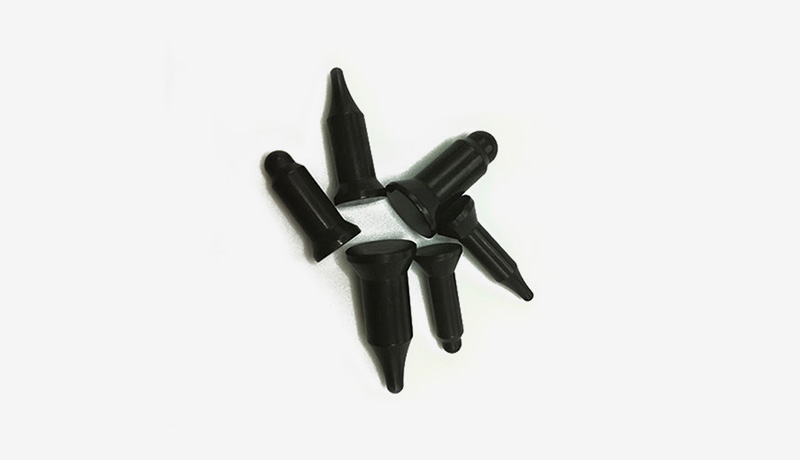
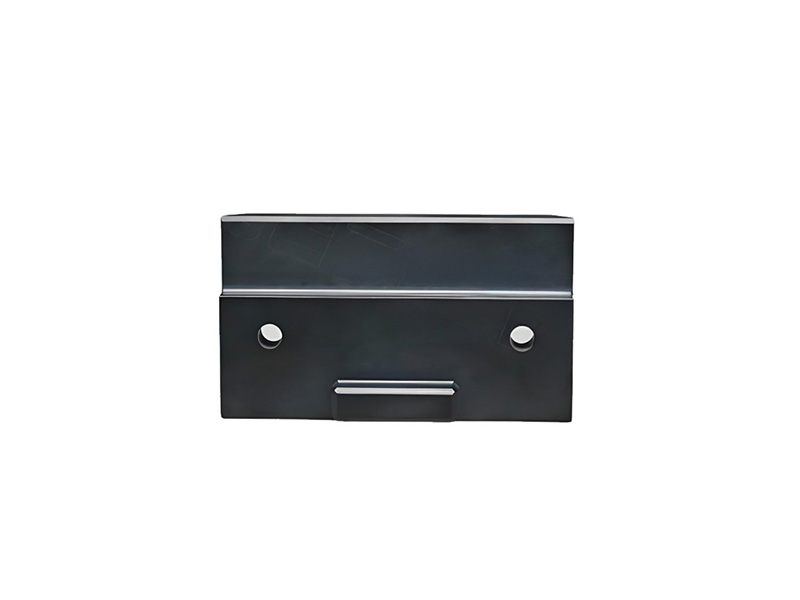
4. 柔軟な形状:製品形状やサイズの制約を克服し、複雑な形状の炭化ケイ素製品を製造することができます。
5. 環境に優しいと省エネ: 高圧設備を必要とせず、エネルギー消費が少なく、生産プロセスがより環境に優しい。
Ⅰ.Application areas
Silicon carbide sintered structural components are widely used in various industrial fields due to their excellent properties:
Application areas | Specific application scenarios | Advantages reflected |
chemical industry | Heat exchangers, corrosion-resistant components, reactor linings | Resistant to strong corrosion, extending service life by more than 8 years |
Electric power industry | Boiler flue gas waste heat recovery equipment | Thermal efficiency 85%, annual fuel cost savings |
Metallurgical industry | High temperature stoves and heat exchange components | Withstands 30MPa high pressure and reduces energy consumption by 12% |
Environmental engineering | Desulfurization equipment, sewage treatment equipment | Hydrophobic surface reduces scaling and is low maintenance |
semiconductor | Wafer carrier, heat treatment components | High purity, no contamination of products |
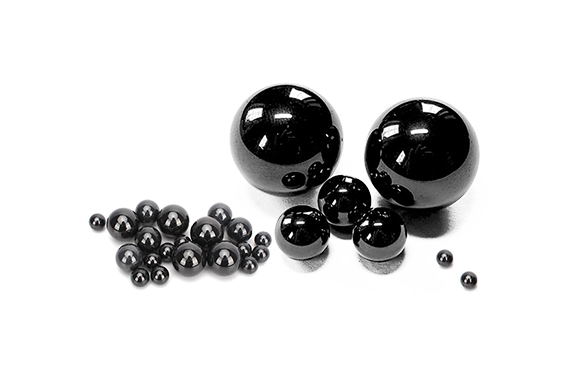
Machinery manufacturing | Bearings, seals, wear-resistant parts | Wear resistance is 5 times that of metal |
Ⅱ.Technical Parameters
Performance indicators | Parameter value | Remark |
density | >98% theoretical density | nearly completely dense |
thermal conductivity | 120-200W/(m·K) | 1.5 times that of copper |
Bending strength | high | Specific values vary by product |
Maximum operating temperature | 1600℃ | Up to 2000℃ in short term |
Thermal expansion coefficient | 4.7×10⁻⁶/℃ | Only 1/3 of metal |
Corrosion resistance | annual corrosion rate | -- |
Supports custom specifications.